
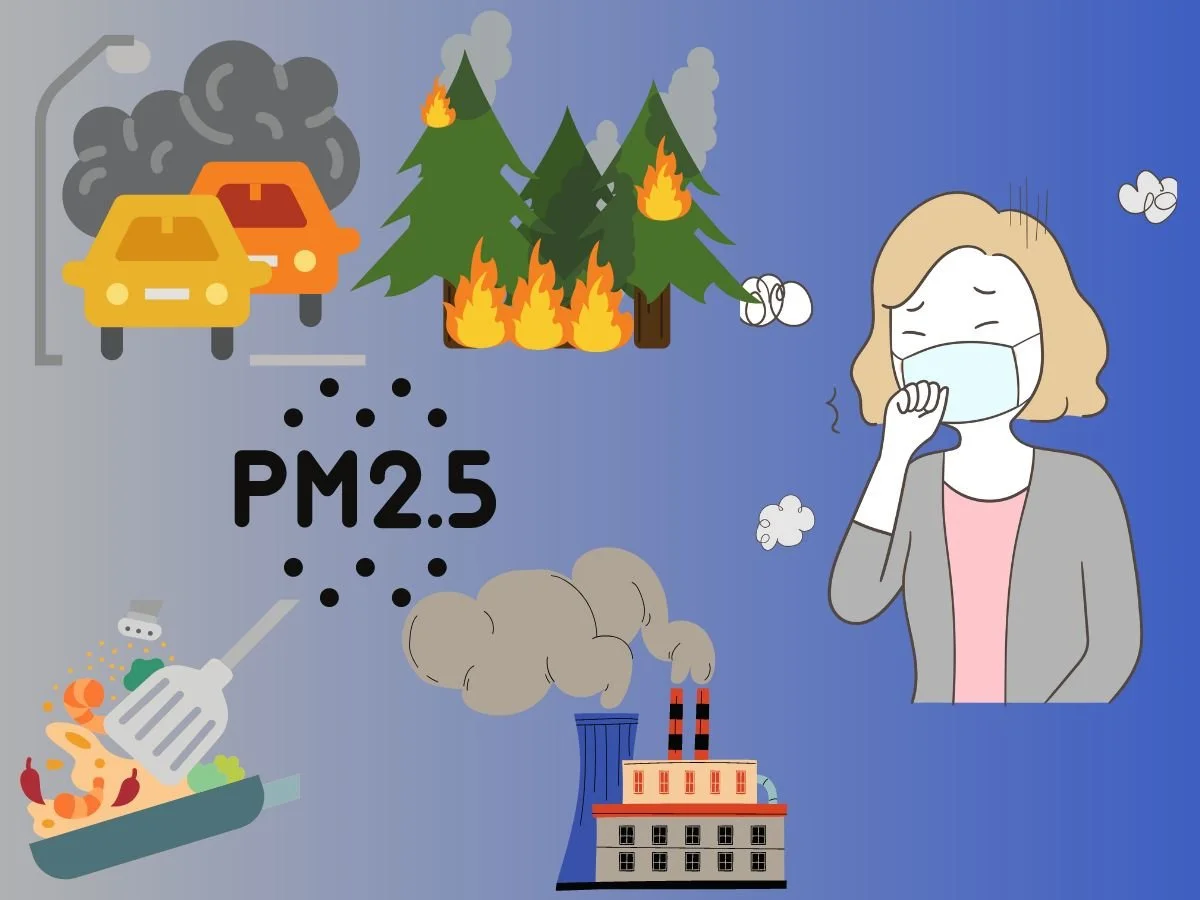
Most people do not worry about indoor air quality (IAQ) during their everyday lives. But it is a hidden menace, sometimes not rearing its ugly head for many years. The truth is, poor indoor air quality is linked to the onset of asthma, allergies, mold reactions, cardiovascular diseases, respiratory diseases, neurological problems, autoimmune diseases, birth defects, and even some types of cancers. In fact, the World Health Organization (WHO) reported in 2012 that air pollution was linked to around 7 million deaths that year. But most people might not even realize that it was the air quality of where they live or work that caused or worsened these problems. There are many sources of indoor air pollution, including contaminated air that comes in from open doors and windows. Other sources include VOCs released from cleaning chemicals, furniture, flooring, paints, etc. Cooking also contributes to indoor air pollution. Combined with increased humidity at certain points in the year, mold growth can also occur. The particulates present in all of these sources can range in size, with the most dangerous size being PM2.5 as it can penetrate deep into the lungs.
The organ system most at risk is the respiratory system. Your mouth and nose connect to a tube known as the trachea, which brings air through smaller and smaller branches of the lungs until the air molecules reach tiny air sacs known as alveoli (alveolus for singular). These air sacs are responsible for allowing movement of oxygen into the bloodstream and carbon dioxide to move out of the bloodstream to be exhaled, or breathed out, by the lungs.